
In the event of a fire or other emergency, every second counts. Ensuring that your building is equipped with fully functional emergency lighting can make all the difference in helping occupants evacuate safely. At Promaster Protection, we understand the importance of emergency lighting and provide expert installation, maintenance, and testing services to ensure your building’s emergency lighting systems are always in top working order.
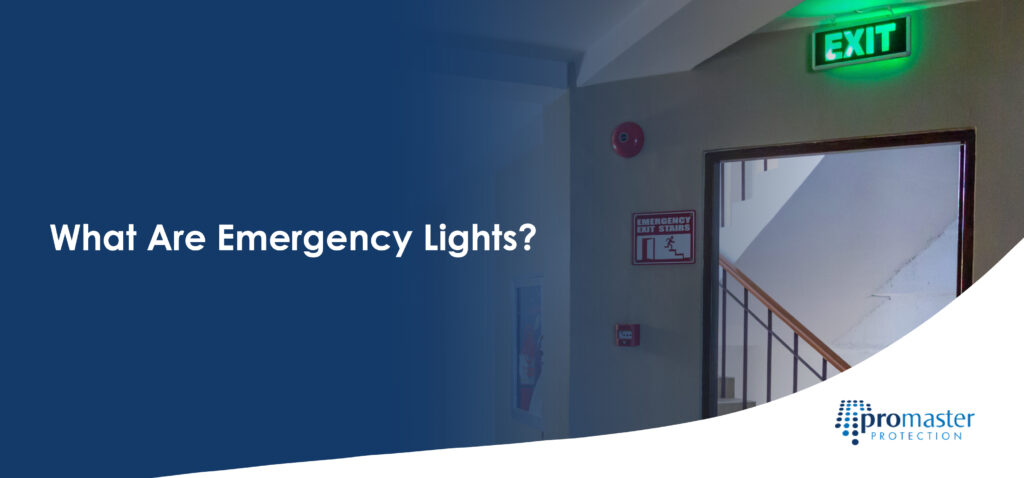
Emergency lights are designed to provide illumination in the event of a power failure or when regular lighting is compromised, such as during a fire or natural disaster. These lights are an essential part of any building’s fire safety system, helping guide people to safety by marking exit paths, stairwells, and emergency exits.
In the event of an emergency, the building’s normal lighting may be turned off or rendered ineffective due to power failure, smoke, or other hazards. Emergency lights, typically powered by batteries or a backup power source, automatically activate to provide reliable lighting when needed most.
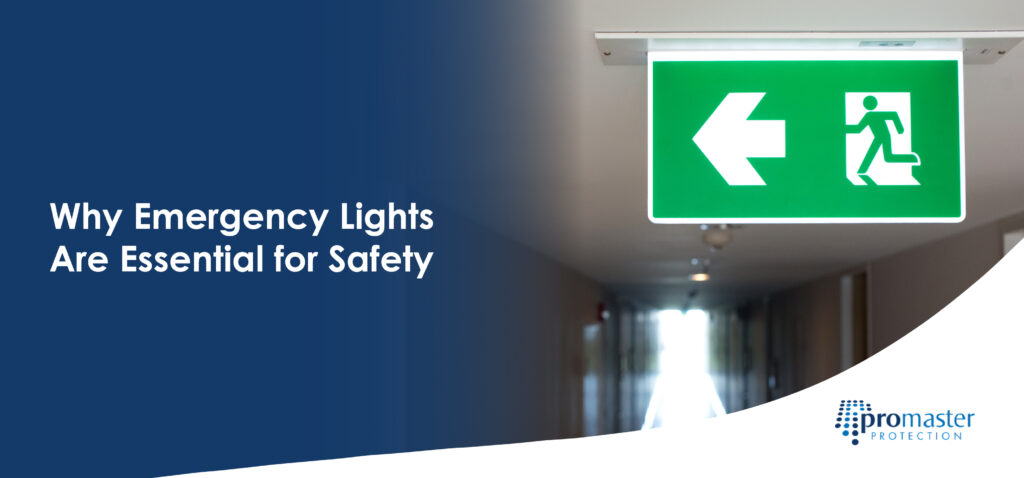
Guiding Occupants to Safety: The primary function of emergency lights is to illuminate escape routes and exits. In an emergency situation, smoke and darkness can disorient people, making it difficult to find their way out of the building. Emergency lighting ensures that exit routes, stairwells, and doors are clearly visible, helping occupants safely evacuate the building.
Compliance with Fire Safety Regulations: In most jurisdictions, including New South Wales, the installation and maintenance of emergency lighting are legally required in many types of buildings, including commercial properties, high-rise buildings, and large residential complexes. Non-compliance with these regulations can lead to fines and legal consequences, and more importantly, can compromise the safety of building occupants.
Reducing Panic and Confusion: Emergencies can cause panic and confusion, especially if there is a loss of power or smoke obstructing visibility. Emergency lighting plays a critical role in reducing panic by ensuring clear pathways to safety. This is especially important in buildings with large numbers of people, such as office buildings, shopping centers, and public venues.
Ensuring Continuous Safety: Fire safety doesn’t stop when the fire alarm goes off. Emergency lighting is designed to remain active during power outages and for a designated period after the power is restored. This ensures that your building remains safe even after the immediate threat is over.
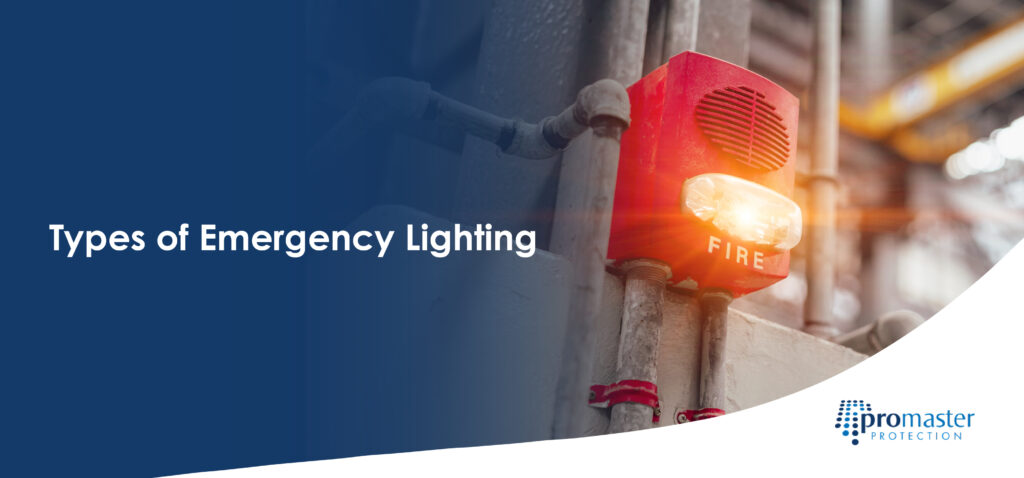
Emergency lighting systems can vary depending on the type of building and the specific needs of the occupants. The main types of emergency lights include:
Exit Signs: These signs clearly indicate the location of the nearest exit. They are typically installed above doors or along corridors, ensuring they are visible even in low-light conditions.
Emergency Backup Lighting: These are general lighting systems that automatically turn on when regular lighting fails. These lights are often placed in hallways, stairwells, and other critical areas to provide basic illumination.
High-Risk Task Area Lighting: This type of emergency lighting is used in areas where specific tasks need to be carried out, such as control rooms or emergency exits. It provides extra brightness in specific high-risk areas.
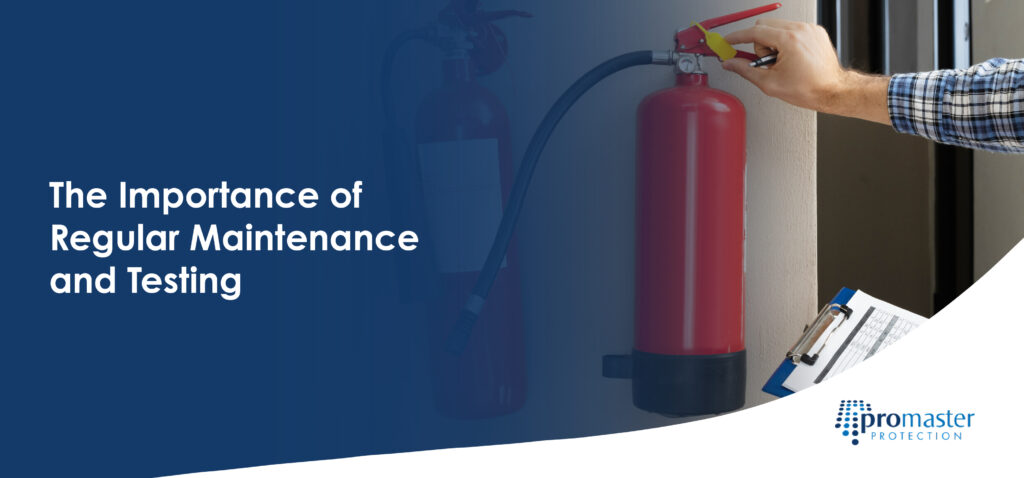
While emergency lights are critical for safety, they only function properly if they are maintained and tested regularly. Inadequate maintenance or failure to test emergency lighting can result in non-compliance with safety regulations and potentially dangerous situations during emergencies.
Routine Inspections: Emergency lighting should be tested and inspected regularly to ensure that all lights are working properly. Routine inspections should check the following:
- Battery Function: The backup batteries must be able to provide power for the required duration, typically 90 minutes or longer.
- Light Brightness: The lights should be bright enough to illuminate escape routes clearly.
- Proper Placement: Lights should be positioned correctly, illuminating all critical areas like stairways, exits, and hallways.
- Signs and Indicators: Exit signs must be clear, visible, and unobstructed, with no fading or malfunctioning.
Testing Frequency: According to regulations, emergency lighting systems should be tested every 6 months with a full discharge test to ensure they function as expected during an emergency. In addition, monthly visual checks should be performed to ensure that the lights are operational and that there are no obstructions or damage.

At Promaster Protection, we are committed to helping you maintain a safe environment by ensuring your emergency lighting system is always up to code and functioning optimally. Our expert team provides:
Installation Services: We install high-quality emergency lighting systems that meet your building’s unique needs and comply with all local regulations.
Routine Maintenance: Our team conducts regular inspections and testing of your emergency lighting to ensure it remains operational and compliant.
Repairs and Replacements: If any lights or components fail, we offer professional repair and replacement services to restore your emergency lighting system to full functionality.
Compliance Assistance: We help ensure that your emergency lighting system meets all fire safety regulations and can assist with preparing documentation for annual fire safety statements.

When you choose Promaster Protection for your emergency lighting services, you can trust that we will handle every aspect of your fire safety needs with professionalism and care. Here’s why we are the trusted choice:
Expertise: We are diploma-qualified and have extensive experience in fire safety systems, ensuring that your emergency lighting is installed, maintained, and tested to the highest standards.
Compliance: We help you navigate and adhere to complex fire safety regulations to keep your building compliant and safe.
Reliability: With Promaster Protection, you can rely on us to keep your emergency lighting system in peak condition, giving you peace of mind that your building is always ready for an emergency.

Emergency lighting is one of the simplest yet most important components of a building’s fire safety system. Don’t leave it to chance—ensure that your emergency lighting is always ready to guide occupants to safety.
Contact Promaster Protection today to schedule a consultation or to learn more about our emergency lighting services. Your safety is our top priority.