
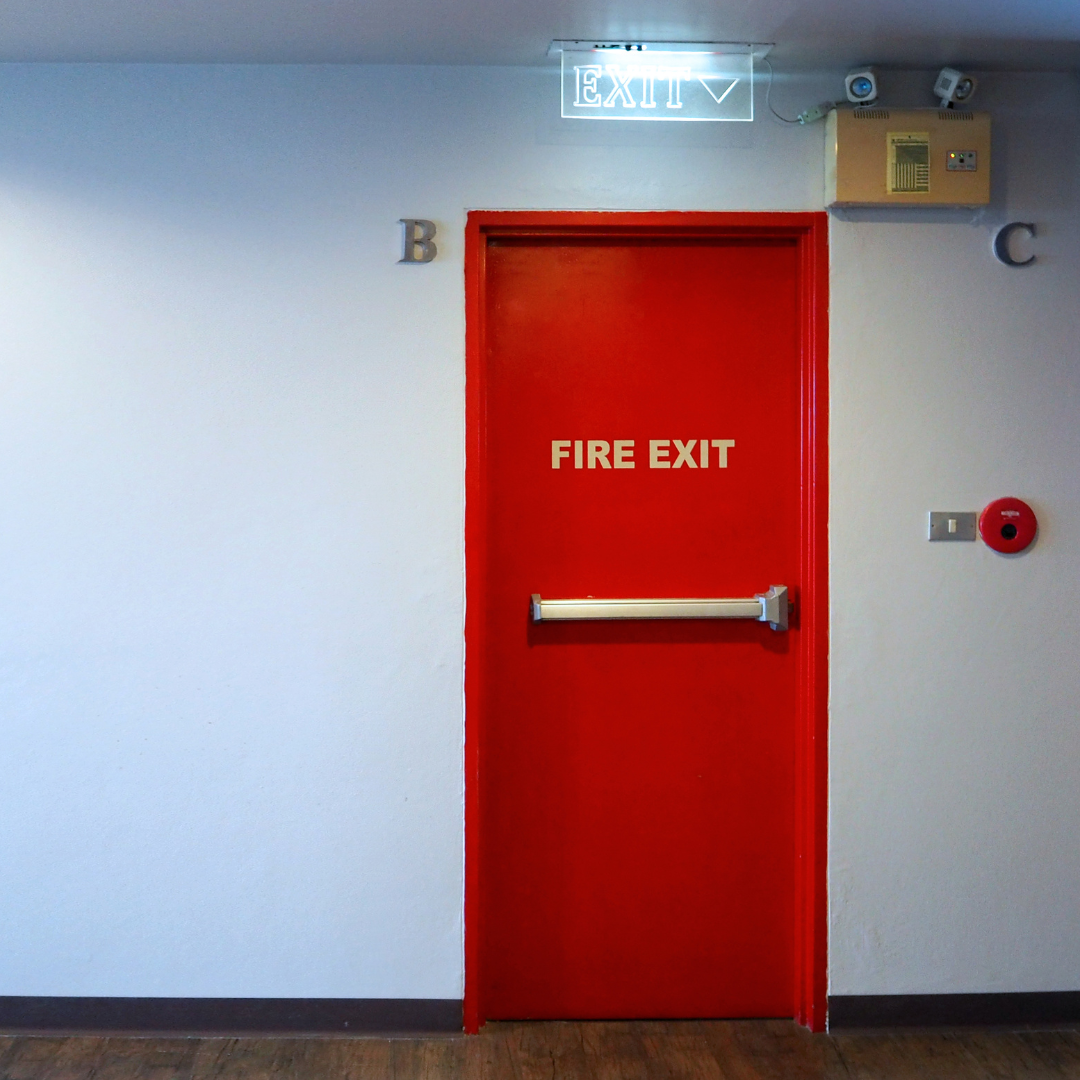
Effective budgeting for fire protection upgrades represents one of the most critical financial planning exercises for strata committees across Sydney. With evolving regulations and increasing safety standards, understanding how to allocate resources for fire safety measures has become essential for maintaining compliance whilst managing owner expectations. The complexity of modern fire protection systems installation requires strategic financial planning that extends well beyond simple equipment costs.
Understanding the Scope of Fire Protection Investments
Fire protection upgrades in strata buildings encompass far more than replacing outdated equipment. Comprehensive fire safety measures include everything from fire sprinkler installations to sophisticated detection systems, emergency lighting, and building-wide evacuation systems. Each component requires careful consideration not only for initial installation costs but also for ongoing maintenance and compliance requirements.
The modern approach to strata fire protection services involves integrated systems that work together to provide comprehensive building protection. This integration means that budgeting must consider how different systems interact and support each other, rather than viewing each component as an isolated expense. Professional fire protection services in Sydney NSW can provide valuable guidance on system integration and the long-term financial implications of different approaches.
Establishing a Comprehensive Assessment Framework
Before developing any budget, strata committees must conduct thorough assessments of their existing fire safety infrastructure. This assessment should encompass current system capabilities, compliance status with existing regulations, and anticipated future requirements based on regulatory trends. Understanding the baseline condition of existing fire protection systems installation helps establish realistic upgrade timelines and associated costs.
A professional assessment by qualified strata fire protection services provides the foundation for accurate budgeting. These assessments identify not only immediate compliance requirements but also systems approaching end-of-life that may require replacement within the budget planning horizon. This forward-looking approach prevents unexpected expenses that can strain strata finances and create conflict among owners.
Planning for Regulatory Compliance Costs
The evolving regulatory landscape significantly impacts budgeting for fire safety measures. Recent changes to NSW fire safety regulations have introduced new compliance requirements that affect both new installations and existing system maintenance. Understanding these regulatory trends helps strata committees anticipate future expenses and plan accordingly.
Compliance costs extend beyond equipment installation to include enhanced documentation requirements, more frequent inspections, and potential system modifications to meet updated standards. Promaster Protection works closely with strata committees to understand these regulatory implications and develop budgets that accommodate both current requirements and anticipated future changes.
Breaking Down Fire Protection System Components
Effective budgeting requires understanding the major cost categories associated with comprehensive fire protection upgrades. Detection systems represent a significant portion of most upgrade projects, encompassing smoke detectors, heat sensors, and integrated alarm systems throughout the building. These systems require careful planning for optimal coverage whilst managing installation complexity in occupied buildings.
Fire suppression systems, including fire sprinkler installations, represent another major budget category. These systems require extensive infrastructure work, including plumbing modifications, electrical connections, and coordination with building management systems. The complexity of installation of fire extinguishers and associated suppression equipment varies significantly based on building design and existing infrastructure.
Emergency systems including lighting, exit signage, and communication systems form the third major component of comprehensive fire protection upgrades. These systems ensure safe evacuation during emergencies and require integration with building power systems and backup generators.
Maintenance and Lifecycle Cost Considerations
One of the most significant budgeting pitfalls involves underestimating ongoing maintenance costs associated with upgraded fire protection systems. Modern fire safety measures require regular testing, calibration, and component replacement to maintain optimal performance and regulatory compliance. These ongoing costs can represent a substantial portion of total system ownership costs over the equipment lifecycle.
Professional fire protection services in Sydney NSW provide maintenance programmes that help strata committees budget accurately for ongoing system care. These programmes typically include scheduled inspections, preventive maintenance, and emergency repair services. Understanding these ongoing commitments helps strata committees develop realistic long-term budgets that maintain system reliability without unexpected expense spikes.
Phased Implementation Strategies
Large-scale fire protection upgrades rarely need to occur simultaneously across entire buildings. Developing phased implementation strategies allows strata committees to spread costs over multiple budget cycles whilst maintaining continuous compliance and safety improvements. This approach requires careful planning to ensure that partially upgraded systems continue to provide adequate protection during transition periods.
Phased approaches work particularly well for buildings with multiple distinct areas or system types. For example, upgrading detection systems in common areas during one phase whilst addressing individual unit requirements in subsequent phases. Professional strata fire protection services can help develop implementation schedules that optimise safety outcomes whilst managing financial impacts on owners.
Managing Owner Expectations and Communication
Transparent communication about fire protection upgrade costs helps prevent conflicts and ensures owner support for necessary improvements. Many owners underestimate the complexity and cost of modern fire safety measures, making clear explanations of requirements and associated expenses crucial for project success.
Regular communication should include not only cost information but also explanations of regulatory requirements, safety benefits, and potential liability implications of delayed upgrades. Visual presentations showing system components and installation requirements help owners understand why comprehensive fire protection systems installation requires significant investment.
Common Budgeting Pitfalls to Avoid
Many strata committees focus exclusively on equipment costs whilst underestimating installation complexity and associated building modifications. Fire protection upgrades often require electrical work, structural modifications, and coordination with other building systems that can significantly impact total project costs. Professional assessment helps identify these additional requirements early in the planning process.
Another common pitfall involves attempting to implement fire safety measures piecemeal without considering system integration requirements. Modern fire protection services emphasise integrated approaches that ensure all components work together effectively. Budgeting for integrated systems may require higher initial investment but typically provides better long-term value and reliability.
Underestimating compliance documentation and certification requirements represents another frequent oversight. Enhanced regulatory requirements mean that proper documentation and certification can represent substantial portions of overall project costs. These requirements are not optional and must be factored into budget planning from the outset.
Leveraging Professional Expertise
Engaging experienced strata fire protection services early in the budgeting process provides access to industry knowledge that can prevent costly mistakes and optimise system design for individual building requirements. Professional providers understand regulatory requirements, system integration challenges, and long-term maintenance implications that may not be apparent to strata committees.
Promaster Protection brings extensive experience in helping strata committees develop realistic budgets for fire protection upgrades. Our team understands the complexities of implementing modern fire safety measures in existing buildings and can provide detailed cost breakdowns that account for all project aspects, from initial assessment through ongoing maintenance.
Technology Integration and Future-Proofing
Modern fire protection systems increasingly incorporate smart technologies that provide enhanced monitoring capabilities and integration with building management systems. While these technologies may require higher initial investment, they often provide operational efficiencies and enhanced safety outcomes that justify the additional expense.
Budgeting for technology integration requires understanding both current capabilities and future upgrade pathways. Smart fire protection systems can often accommodate future enhancements without requiring complete system replacement, making them attractive long-term investments for strata buildings planning multiple upgrade cycles.
Insurance and Risk Management Implications
Comprehensive fire protection upgrades can positively impact building insurance premiums and overall risk profiles. Many insurance providers offer premium reductions for buildings with modern fire safety measures, and these savings should be factored into budget planning as ongoing benefits of system upgrades.
Enhanced fire protection also reduces potential liability exposure for strata committees and individual owners. While difficult to quantify precisely, this risk reduction represents significant value that should be considered when evaluating upgrade investment levels.
Documentation and Record Keeping
Proper documentation of fire protection upgrades requires ongoing investment in record-keeping systems and compliance reporting. These administrative costs are often overlooked in initial budgeting but represent essential components of comprehensive fire safety programmes.
Digital documentation systems can streamline compliance reporting and reduce long-term administrative costs whilst ensuring that all required records remain accessible for regulatory inspections and system maintenance.
Planning for Emergency Situations
Budget planning should include contingencies for emergency repairs and system failures that may occur outside normal maintenance schedules. Fire protection systems are critical safety infrastructure that cannot be deferred when failures occur, making emergency repair funding essential for responsible strata management.
Emergency response planning should also consider temporary fire safety measures that may be required during system upgrades or repairs. These temporary measures ensure continuous protection but require budget allocation for equipment rental and enhanced monitoring during transition periods.
Conclusion
Effective budgeting for fire protection upgrades requires comprehensive understanding of system components, regulatory requirements, and long-term maintenance implications. Successful strata committees approach fire safety investment strategically, considering not only immediate compliance requirements but also future regulatory trends and system lifecycle costs.
Professional guidance from experienced fire protection services in Sydney NSW provides invaluable support for developing realistic budgets that protect both residents and owner investments. The complexity of modern fire safety measures makes professional consultation essential for avoiding common pitfalls and ensuring optimal value from fire protection investments.
Promaster Protection specialises in helping strata committees navigate the complexities of fire protection budgeting and implementation. Our comprehensive approach ensures that your budget planning accounts for all aspects of modern fire safety requirements whilst optimising costs and minimising disruption to building operations.
Contact Promaster Protection today to discuss your strata building’s fire protection upgrade requirements and develop a comprehensive budget that ensures compliance, safety, and value for your owners.