
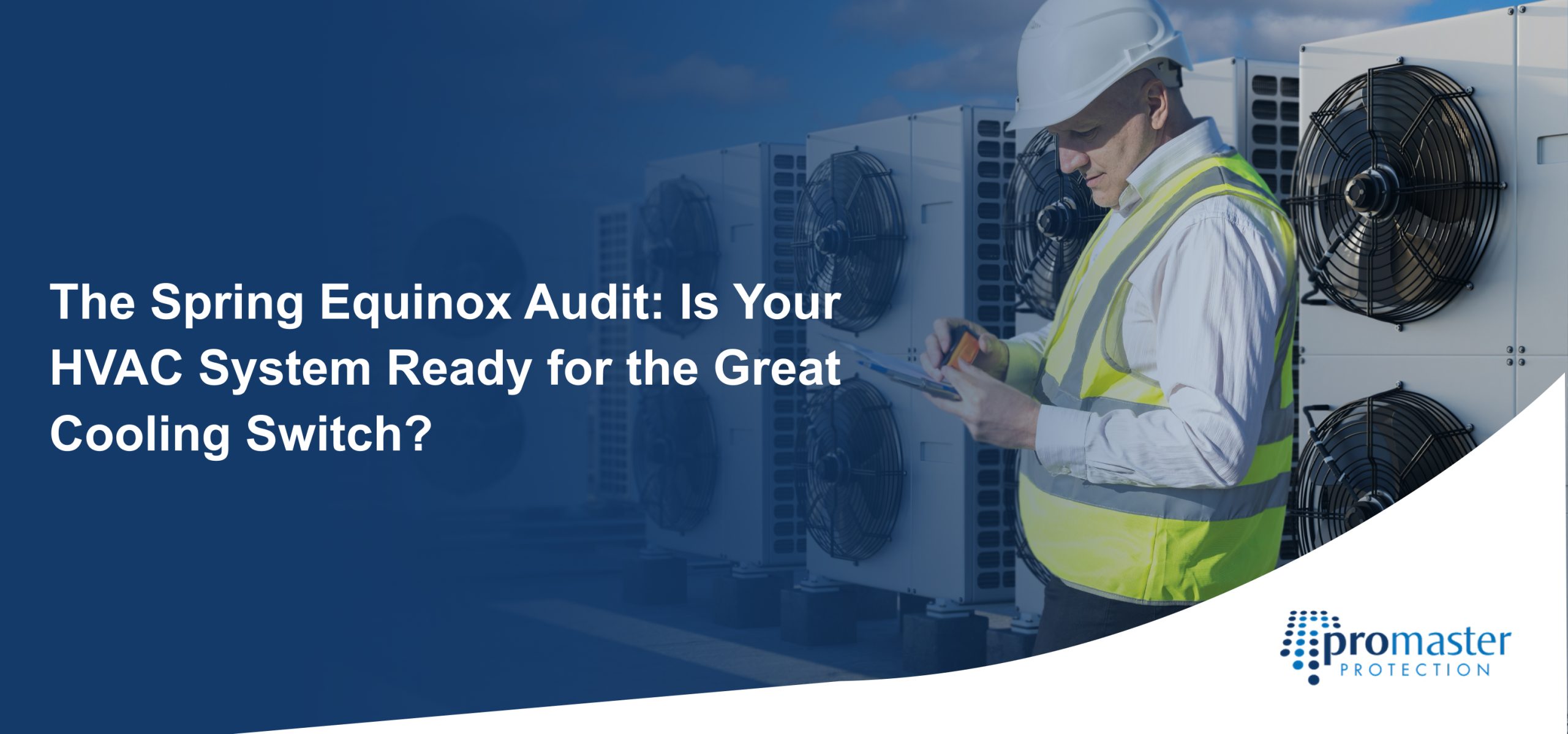
As Sydney and Newcastle shift from winter heating to spring cooling, a hidden mechanical strain is placed on your building’s fire containment. Here is why your smoke dampers need a dedicated check this September.
September in New South Wales brings a welcome change of season, but it also introduces volatile weather. Across the Sydney metropolitan area and up into Newcastle, early spring is characterised by unpredictable temperature swings—chilly, single-digit mornings instantly giving way to warm, clear afternoons.
For strata managers, this climate fluctuation triggers a massive operational shift: the central heating systems that ran continuously through winter are suddenly deactivated, and commercial HVAC systems are switched over to full-scale air conditioning.
While your residents are only focused on staying comfortable, this sudden operational flip places immense mechanical stress on the hidden components inside your ventilation shafts. Under the strict AS 1851-2012 framework enforced throughout 2026, September is the critical window to audit your motorised fire and smoke dampers before the heavy summer cooling load sets in.
The Spring Switch Strain: Why Dampers Seize
Fire and smoke dampers are mechanical shutters installed inside your air conditioning ductwork wherever it cuts through a fire-rated wall or floor. They are designed to do one critical job: slam shut the moment a fire is detected, sealing off the duct and preventing toxic smoke from traveling between floors or into escape stairwells—a vital barrier heavily emphasised by catastrophic international structural failures like the Grenfell Tower disaster.
However, after a long winter of handling warm, dry air, the mechanical components of these systems are highly vulnerable:
- Thermal Expansion and Contraction: The rapid shift from heating to cooling can cause older metal tracks, blades, and springs to bind or seize.
- Accumulated Dust Clutter: Winter heating often circulates fine dust and lint through the ducts. When the cooling cycle starts and introduces moisture, this dust can cake onto the damper hinges, preventing them from closing completely in an emergency.
- Actuator Fatigue: The motorised electronic springs that control these dampers are pushed to their limit during seasonal system resets, increasing the risk of an unrecorded electrical failure.
Under the current strict-liability framework, failing to maintain these essential fire measures can expose an Owners Corporation to devastating structural risks and corporate fines reaching up to $66,000.
Proactive Testing Over Reactive Repairs
Leaving your damper checks until your next major Annual Fire Safety Statement (AFSS) deadline is a high-risk strategy. Identifying a seized motorised damper in September gives your committee the time to execute seamless, non-disruptive repairs before the summer heat causes HVAC contractors to be booked out for weeks.
A compliant spring equinox audit requires:
- Physical Access and Drop-Testing: Manually triggering the dampers to ensure they close completely and seal airtight.
- Signal Verification: Testing that the localised sensors communicate perfectly with the central building fire indicator panel.
- Hatch Accessibility Inspections: Ensuring subsequent maintenance teams haven’t accidentally blocked access panels required for mandatory AS 1851-2012 logging.
The Promaster Point of Difference: Absolute Operational Transparency
At Promaster Protection, our primary point of difference is our commitment to professionalism, clear communication, and data-driven reporting. We don’t believe in guesswork.
Our accredited practitioners utilise advanced testing procedures to look behind the plasterboard, ensuring your passive and active containment lines are functioning exactly as designed. We deliver detailed data and clear customer surveys straight to strata committees, giving you total transparency and absolute confidence that your building is legally protected and structurally secure.
Prepare Your Ventilation Systems for Spring
Don’t wait for a mechanical failure to expose a hidden safety gap in your building’s ducts. Ensure your property transitions safely into the warmer months.
Contact the specialised team at Promaster Protection today to book a comprehensive spring HVAC damper compliance assessment.