
The festive season is a crucial time for pubs, clubs, and large restaurants. It means packed dining rooms, overflowing function spaces, and, most critically, kitchen operations running at maximum capacity. This surge in activity, however, brings a heightened and often overlooked fire risk.
Here is a quick fire safety checklist to ensure your kitchen is “serviced” and ready for the relentless demands of the Christmas period.
A high-volume festive season means your kitchen equipment is subject to extreme stress and use. This leads to:
- Accelerated Grease Build-up: More cooking means faster accumulation of grease and residue on cooking surfaces, grills, and, critically, inside exhaust systems. This greasy build-up is highly flammable and the leading cause of major commercial kitchen fires.
- Overloaded Power and Appliances: Increased use of temporary equipment, warmers, and even seasonal decorations can lead to overloaded power boards and faulty appliances.
- Human Error: Long hours and high pressure increase the risk of staff leaving cooking unattended—a major fire hazard.
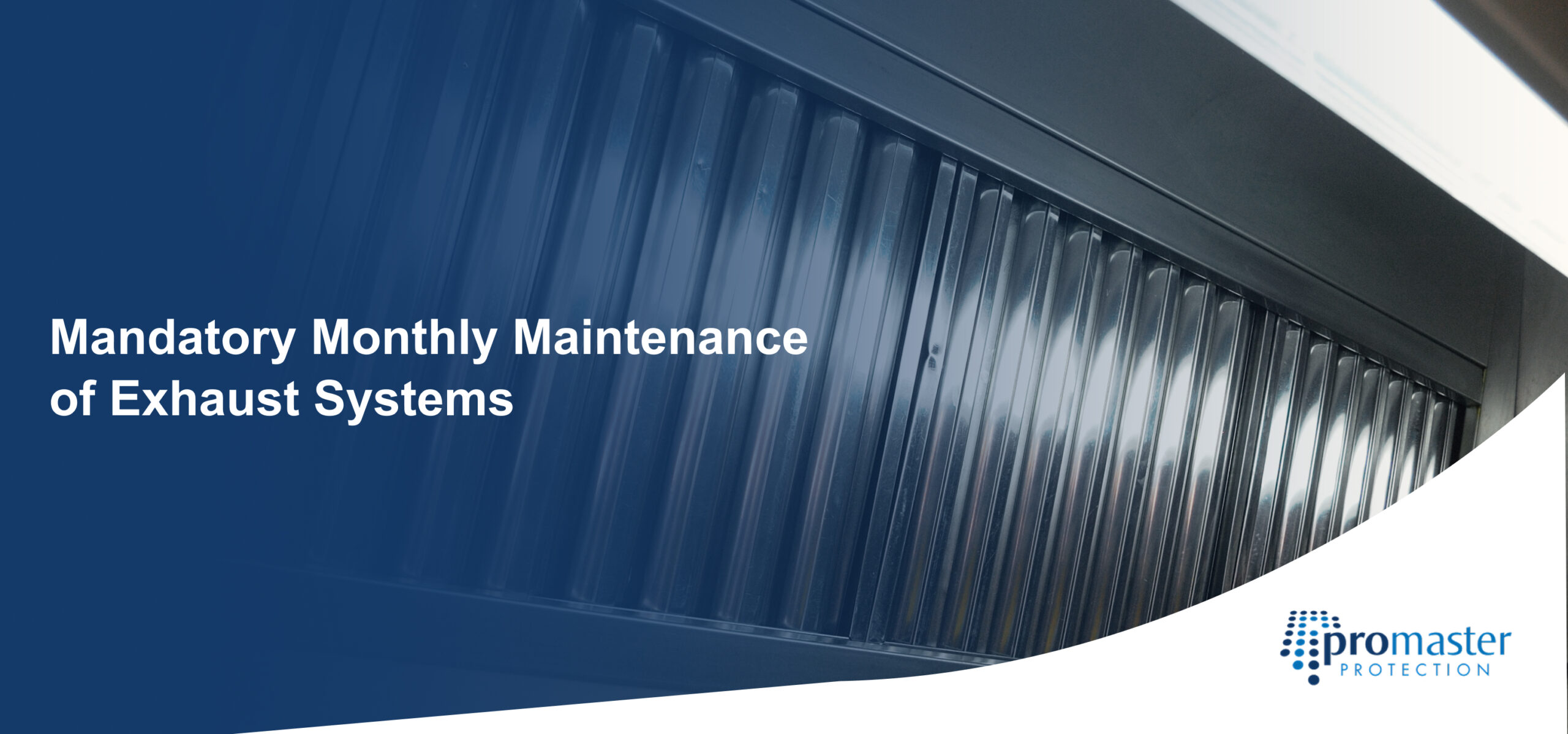
The kitchen exhaust system is your silent line of defence, but only if regularly maintained. For high-volume kitchens, Australian regulations now enforce specific, non-negotiable servicing schedules:
- Monthly Servicing is Critical: The updated Australian Standard AS1851-2012 now specifies that commercial kitchen exhaust systems must undergo inspection and routine servicing every month. This maintenance is vital to prevent the accumulation of flammable oils and grease, which can turn a small stovetop fire into a devastating duct fire.
- Detailed Documentation: It is your responsibility to prove that routine servicing has been completed. Ensure you have detailed documentation (stored, ideally, in a Computerised Maintenance Management System (CMMS)) of all monthly inspections, including dates, test outcomes, and any corrective measures taken.
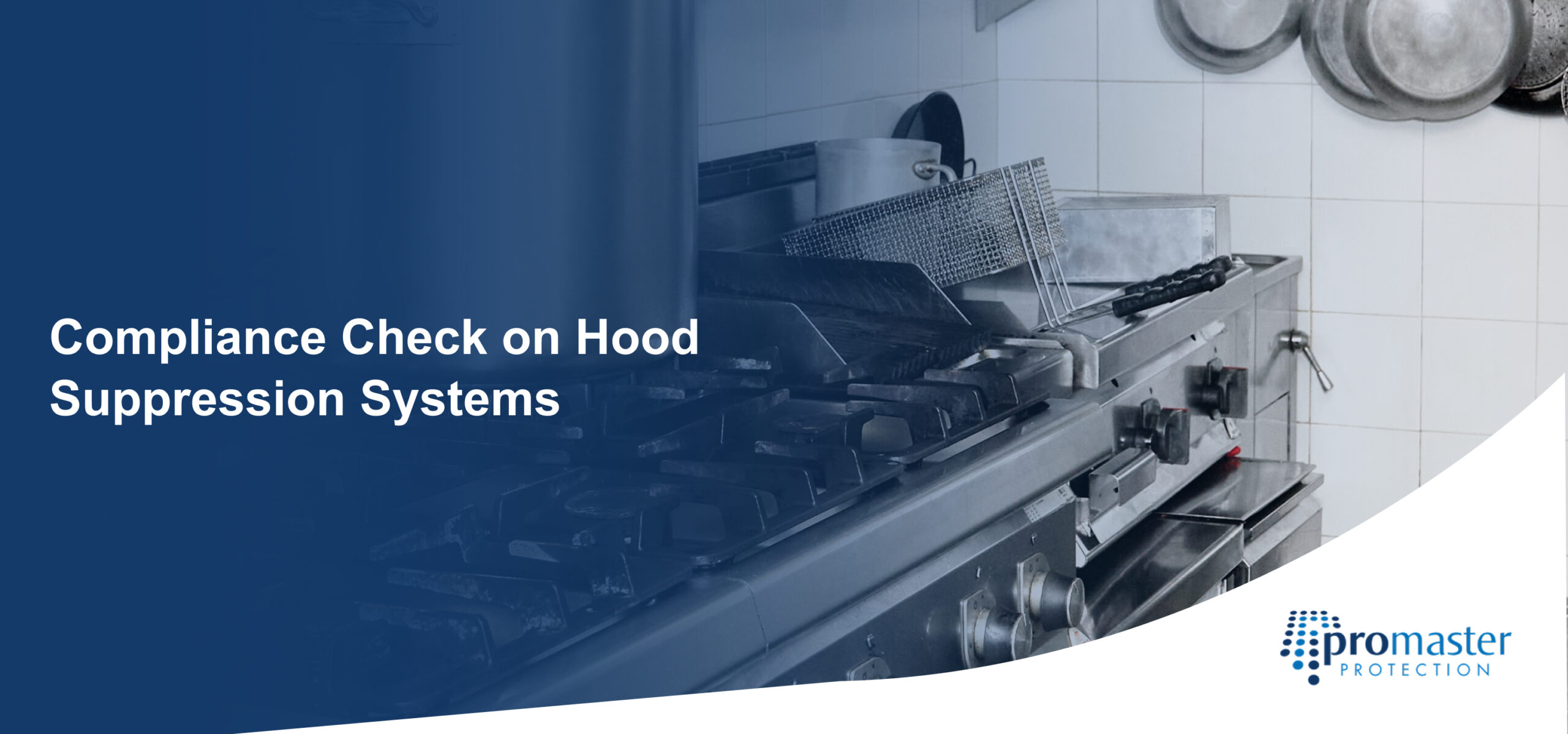
Kitchen hood suppression systems are automatic fire-fighting apparatus specifically designed to protect your most fire-prone areas.
- Ensure Functionality: These systems—which automatically respond to an existing fire with a fire suppression agent—must be fully compliant and operational. A service inspection will verify that nozzles are clean, pressure gauges are correct, and the release mechanism is working.
- Integration Check: Verify that your suppression system is correctly integrated with your fire alarm panel and that it will automatically shut down gas and electric power to the protected appliances when activated.
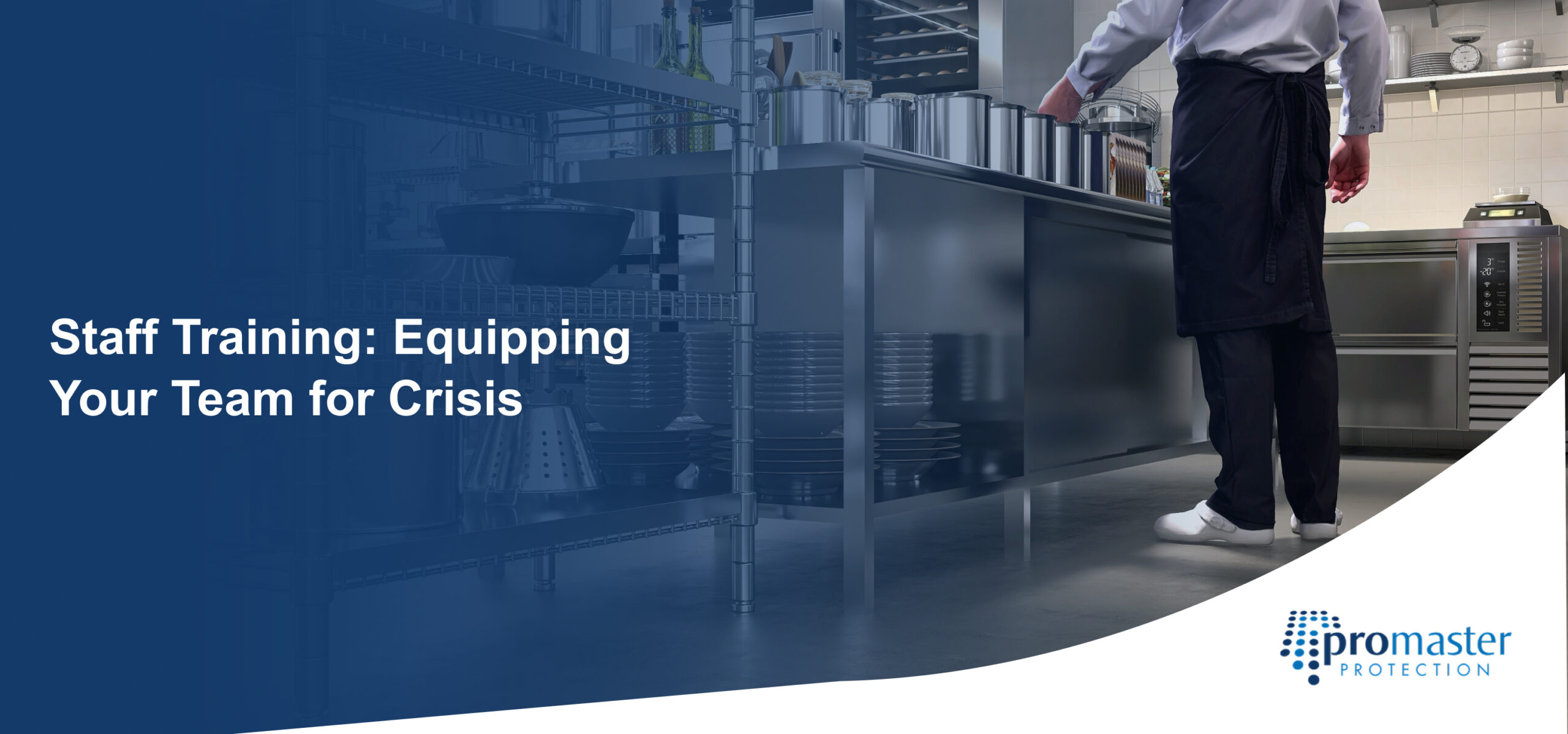
The first few minutes of any fire are the most critical. Your staff must be trained to react calmly and correctly.
- Grease Fire Response: Ensure all kitchen staff are properly trained in the use of fire blankets and the correct type of fire extinguishers for grease (Class F or K). They must know how to unfurl a hose reel and aim the nozzle correctly.
- Evacuation Procedures: All employees must participate in annual fire safety education, which includes evacuation exercises and maintaining a safe working environment. In a commercial setting, this includes knowing how to isolate power and gas if safe to do so.
- Immediate Reporting: Staff must be instructed to immediately check the source of any alarm and, if a fire is confirmed, to call Triple Zero (‘000’) immediately to ensure a rapid response from NSW Fire & Rescue.
Don’t let a kitchen fire extinguish your festive revenue. Promaster Protection offers the professionalism and expert communication your facility needs to manage complex fire safety compliance.
Contact us today to schedule your essential pre-Christmas fire system audit and maintenance check.